
How Foreigners Can Acquire Affordable Vacant Houses in Japan: A Practical Guide ✨
Japan’s growing supply of vacant houses has become a unique attraction for foreign property seekers. With properties available at remarkably low prices and surrounded by rich landscapes, many see an opportunity for investment or a new lifestyle. Yet, the legal system and market dynamics can appear daunting to outsiders. This guide clarifies crucial aspects, shares real cases and practical steps, and provides answers to the most common questions foreign buyers have about Japan’s affordable vacant housing market. 🔍
📌 Understanding Japan’s Vacant House Market and Why Foreigners Are Interested
Japan’s vacant house market has expanded rapidly, mainly due to population decline and aging. In recent years, vacant houses nationwide have reached about 9 million, reflecting a vacancy rate of 13.8%. This rise is especially pronounced in regional areas, as people move to cities and rural homes fall into disuse.
Key reasons attracting foreigners include:
| Factor | Description |
|---|---|
| 💰 Affordability | Properties often cost just a fraction of Western equivalents, sometimes only a few million yen. |
| 🏢 Construction Quality | Japanese buildings are well-constructed and earthquake-resistant, ensuring high durability. |
| 🌳 Natural Beauty | Scenic landscapes and a peaceful environment enhance lifestyle appeal. |
| 🚉 Infrastructure | Well-developed public transport and infrastructure facilitate convenience. |
| 📈 Investment potential | Opportunities for rental income, especially in tourist areas, make investment attractive. |
📚 Real Cases: How Foreign Buyers Successfully Purchased and Renovated Vacant Homes
Foreign ownership of Japanese vacant houses has grown, particularly in rural locations. Examples include:
- European buyers restoring traditional Japanese houses into guest accommodations and cultural centers.
- Foreign investors converting abandoned homes into lodges that emphasize local traditions and natural beauty, especially in tourist destinations.
- Increasing urban investments by foreigners, with surveys showing up to 40% of new condominiums in some areas are bought by foreign buyers.
These cases highlight diverse motivations — from investment to personal lifestyle — proving that non-citizens can successfully participate in the Japanese property market. ✅
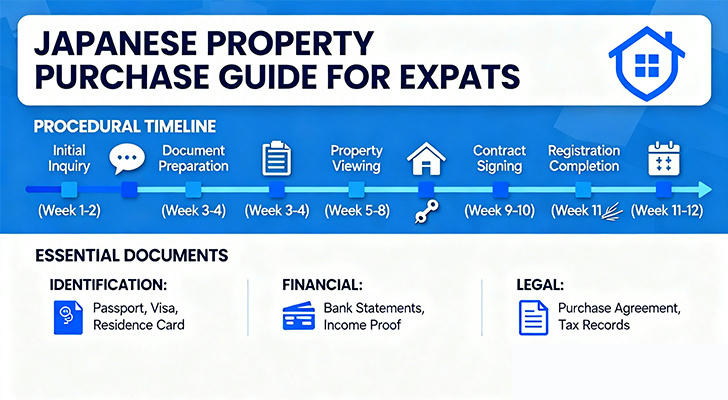
📝 Step-by-Step Guide to Buying Low-Cost Vacant Houses in Japan
Research Regions & Properties
Utilize “Akiya banks” (vacant house listings) provided by many local governments and real estate agents in multiple languages.Verify Legal Status
Confirm ownership, debts, and land use through official registries.Negotiate Purchase Terms
Work with an agent to clarify terms and mediate communication.Understand Restrictions
Generally, foreigners face no ownership restrictions except in strategic locations (near military or power facilities) where notification and approval may be required.Complete Purchase
Sign contracts in front of a notary or designated authority.Plan Renovations
Many older homes will need upgrades to meet comfort and safety standards.
🎯 Key Benefits and Challenges for Foreign Buyers in Japan’s Property Market
Benefits ✅
- Stable, legally transparent market with minimal ownership restrictions for foreigners.
- Income potential from renovating and renting houses, especially in tourism-heavy areas.
- Real estate diversification and asset security.
Challenges ⚠️
- Significant renovation needs for many rural properties.
- Language barriers and unfamiliar tax or purchase processes.
- Policy updates related to security and land-use, especially in sensitive areas.
- Necessity of trusted local agents and thorough research to ensure smooth transactions.
💡 Frequently Asked Questions: Addressing Common Concerns for Foreign Property Buyers
| Question | Answer |
|---|---|
| Is it hard for non-residents to own property in Japan? | No, foreigners are treated similar to citizens, except in protected zones requiring notification. |
| Do I need to live in Japan to buy a house? | Residency is not required; buyers often invest remotely. |
| What are typical hidden costs? | Agent fees, registration taxes, renovation expenses, and annual fixed asset taxes. |
| Can I rent out my property? | Yes, provided local regulations and taxes are complied with. |
| Is financing available to foreigners? | Some banks offer loans to foreigners with long-term visas and stable incomes, but criteria are strict. |
Summary 📊
Japan’s vacant house market offers foreign buyers unique, affordable opportunities combining practical investment with lifestyle enhancement. Success depends on understanding market dynamics, navigating legal procedures, and leveraging local resources to overcome challenges. With careful preparation, foreigners can confidently acquire and renovate vacant properties, tapping into Japan’s growing real estate potential.